Agentic HR: Moving From AI That Answers to AI That Acts
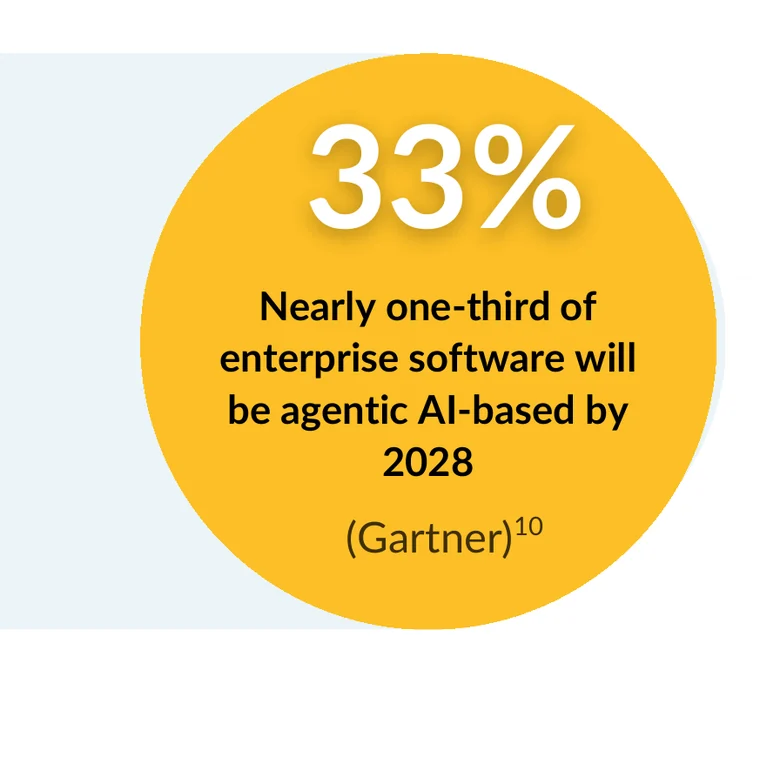
Most AI in HR still just answers questions. You ask, it replies, and you copy the text somewhere useful. The next stage is different. Agentic AI manages whole workflows — drawing context from different sources, taking actions, and feeding results back into your systems. The forecasts are striking: Gartner expects agentic AI to handle at least 15% of daily work tasks, and nearly a third of enterprise software to be agentic-AI-based, by 2028.
For HR, that shift is already visible in one area in particular: the conversations that make up the working week.
From answering to acting
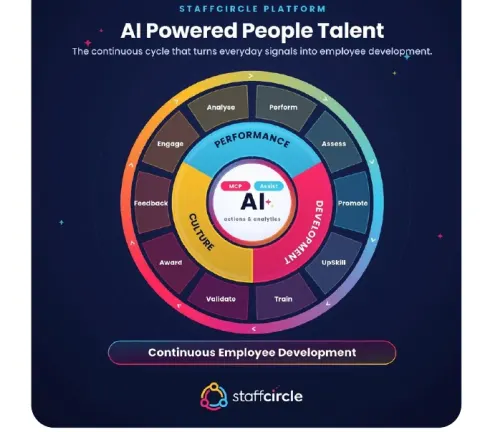
A traditional AI assistant waits to be asked. An agent stays active across meetings, reviews and interactions — capturing what’s said, summarising it, recommending next steps, and updating the right record. Rather than asking a system to complete a one-off task, an HR agent creates a continuous stream of insight that strengthens decision-making, with a human confirming anything that changes.
Conversational intelligence: capturing what actually gets said
A significant amount of information shared in workplace conversations is never recorded. Performance discussions happen, agreements are made, development needs are identified — but if those conversations aren’t captured, the insight disappears. Managers forget details, employees remember them differently, and HR has no reliable record to work from.
Conversational intelligence addresses this. It’s AI that captures, analyses and structures spoken workplace conversations. It’s different from basic transcription: a transcript gives you words, conversational intelligence gives you meaning — the key points, the actions agreed, the sentiment behind the discussion, and the data that connects to your broader HR systems.
How it works in performance management
The traditional review has a hidden cost. After a 45-minute conversation, the manager spends another 30–40 minutes typing up notes and entering feedback, and the employee receives a summary days later that’s often incomplete. Conversational AI changes this: the manager joins the review with the AI active, the conversation flows naturally, and the system captures it, generates a summary, and pre-fills the review form with answers mapped to each competency. The manager spends five minutes reviewing and submitting; the employee gets instant access to the same record.
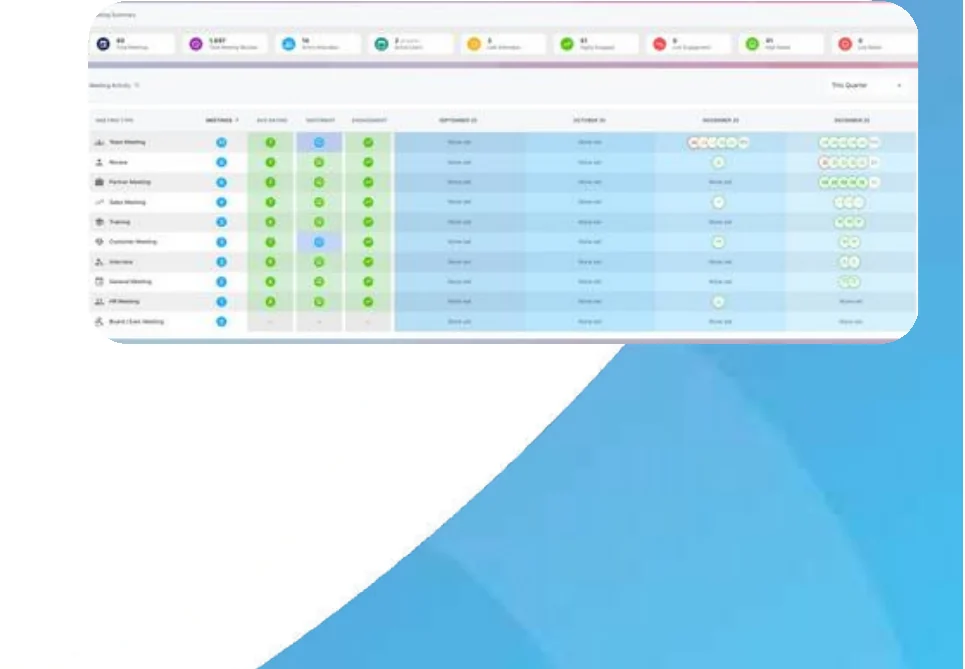
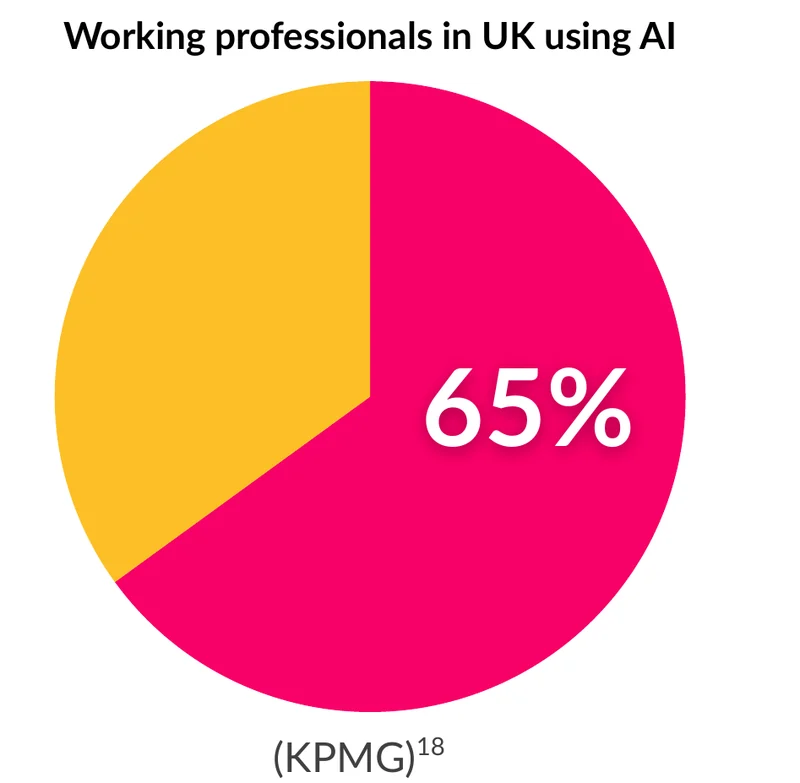
For organisations on StaffCircle, this happens through Notetaker. It joins the Microsoft Teams meeting, captures the conversation, generates the summary, and feeds the content directly into the review form inside the platform — the manager reviews, approves, and the record is complete. More than half of UK enterprises (66%) already report significant productivity gains from AI, and this is a clear example of where they come from.
Beyond reviews — across the employee lifecycle
Conversational intelligence isn’t limited to performance reviews. In recruitment, it records structured interviews and keeps questions consistent across candidates, with notes shared across the panel immediately. In onboarding, it captures early check-ins and flags disengagement signals before they become retention risks. In development conversations, it links discussions to skills frameworks and recommends training. In exit interviews, it identifies themes across many conversations — the patterns a single interview can’t reveal.
The plumbing that keeps it safe: MCP
As agents take on more, data security and interoperability become critical. The Model Context Protocol (MCP) is an emerging standard that lets different AI and HR systems work together in a secure, transparent way. Choosing partners that implement MCP means HR data can flow safely across tools without creating silos or exposing sensitive information — the difference between an agent that’s genuinely connected and one that’s just another disconnected app.
Agentic doesn’t mean hands-off
The point of agentic HR isn’t to remove people from decisions — it’s to remove the admin around them. Every meaningful action stays human-in-the-loop: the manager reviews and approves, and nothing is finalised without a person’s yes. Start with one conversation type, such as performance reviews, prove the value, and extend from there.
See how Notetaker turns every important conversation into a structured, compliant record.
Related articles
Meet Notetaker
Agentic meeting intelligence for HR — capture, summarise and structure every important conversation, and feed it straight into the record.