The Top 5 HR Processes to Automate with AI
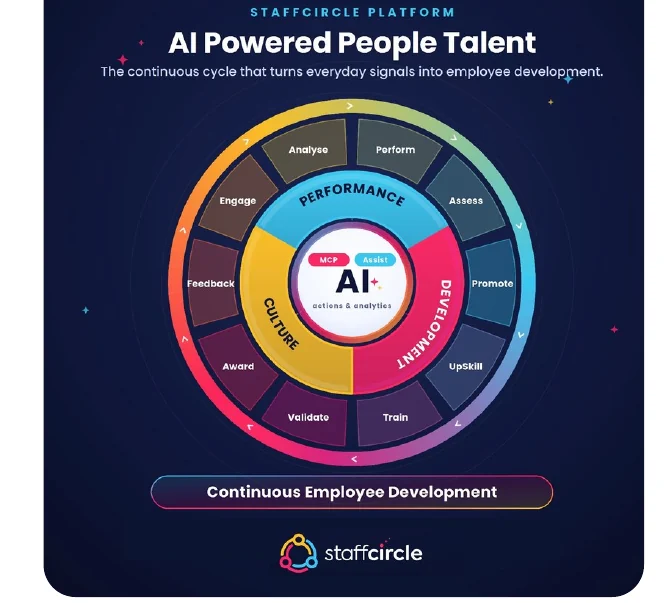
Most HR functions run on a handful of core processes — and many organisations still manage them with spreadsheets, static documents and irregular reviews. Those methods create delays and inconsistencies at exactly the moment budgets are tight and expectations are rising. Automation changes the economics: routine tasks get done with less effort, information stays current, and insight is shared quickly.
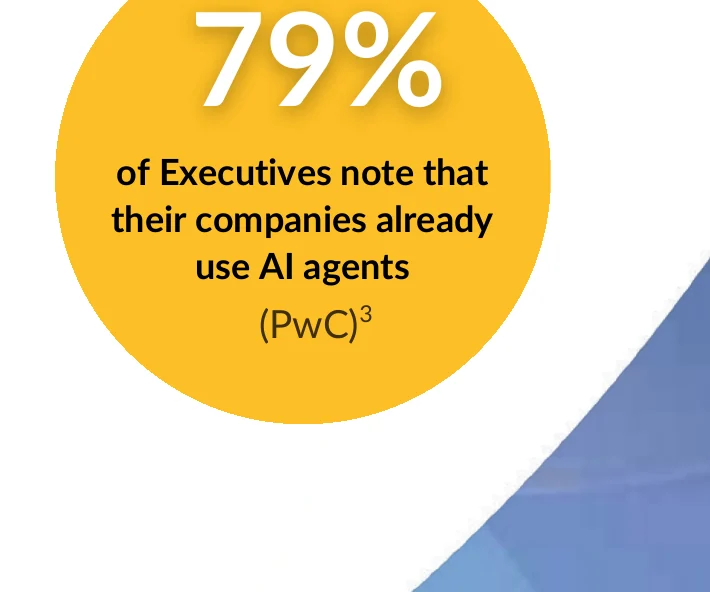
It’s already mainstream. 79% of executives say their companies already use AI agents (PwC). The question for HR isn’t whether to automate, but where to start. This article looks at the five processes where AI makes the greatest difference.
1. 360 appraisals
A 360 gives a rounded view of performance from managers, peers and direct reports. Run manually it’s slow and resource-heavy: HR spends significant time building surveys, chasing responses and compiling results, and completion rates suffer without structured reminders. AI reduces the administrative effort, improves consistency, and supports more meaningful feedback conversations — drafting summaries and surfacing themes so managers can focus on the discussion rather than the paperwork.
2. Job and role specifications
Role profiles drift out of date the moment they’re written. AI keeps them accurate, transparent and aligned to evolving organisational needs — generating and refreshing specifications from your existing competency and skills data, so every role reflects what the job actually requires today.
3. Skills mapping and the skills graph
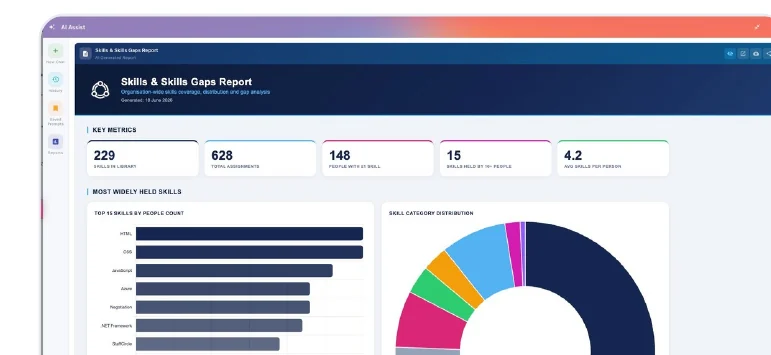
Knowing what skills you have, and what you’ll need, is the foundation of workforce planning. AI helps identify emerging skills, map them to roles, and maintain a live skills graph that supports development instead of a static spreadsheet that’s obsolete on arrival.
4. Competency framework creation and updates
Competency frameworks are notoriously heavy to build and maintain, which is why so many go stale. AI reduces that effort dramatically — drafting frameworks in minutes rather than months and keeping them relevant as roles change — so the framework stays a living tool rather than a document nobody revisits.
5. Succession planning
Traditional succession tools like the 9-box grid rely on subjective, point-in-time judgement. More dynamic, evidence-based approaches use real performance and skills data to surface future leaders you might otherwise miss. AI makes this practical, continuously connecting assessment, development and readiness rather than a once-a-year workshop.
The common thread: context and action, not just answers
These five automate well for the same reason: each depends on your own people data, and each needs the system to do something — compile a report, update a profile, cascade an objective — not just answer a question. A general chatbot can’t do that. AI built into your HR platform can, because it has the context and can act on the record.
StaffCircle’s AI Assist works on exactly this principle across all five processes. It builds the prompt from your data, so no one needs to be a prompt expert; generates branded reports from live records; and takes real actions — always with a human confirmation first. Because there’s no per-user AI licensing, it’s available to your whole workforce, not a handful of seats.
Start with one, measure, then expand
The most common mistake is trying to automate everything at once, which overwhelms teams and makes it impossible to see what’s working. Pick one high-impact process — appraisals or skills reporting are good starting points — prove the value with a manageable group, and expand from a position of evidence. Track the time recovered and the external spend avoided, and the case for the next step makes itself.
See how AI Assist automates these processes inside your people platform.
Related articles

Meet AI Assist
The AI layer for your entire people platform — automate appraisals, skills, competency frameworks and more, with a human confirmation before anything changes.